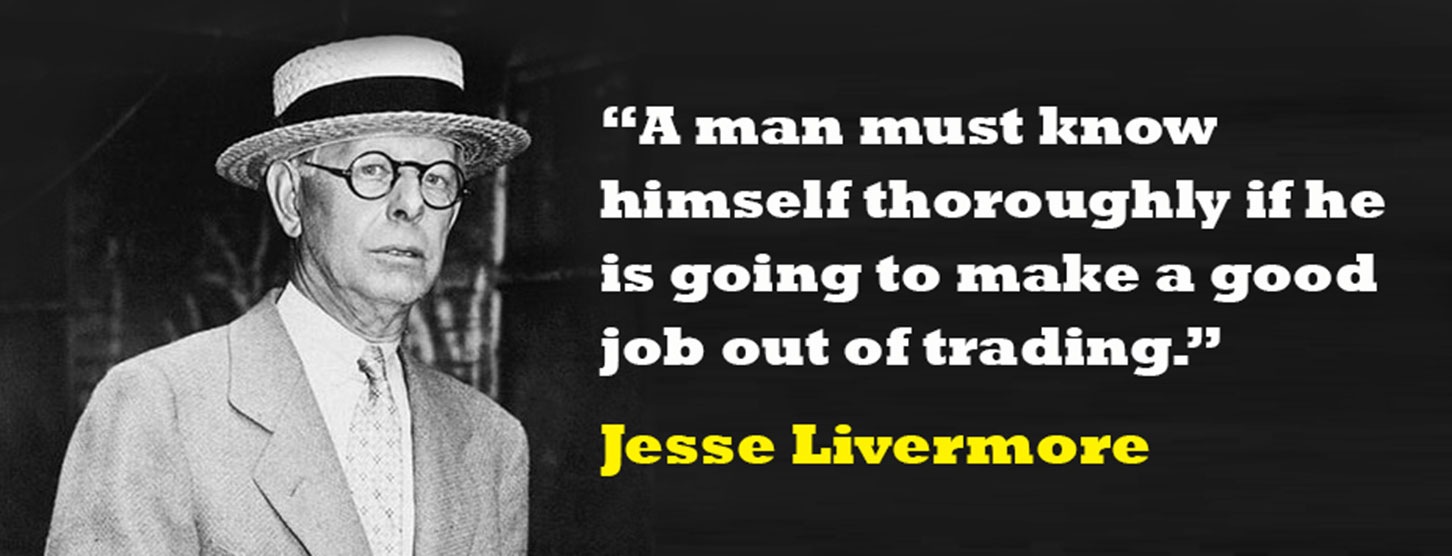

Only the game, can teach you the game.
— Jesse Livermore
In laymen terms, trading is an auction process — the buying and selling of an instrument with the expectation of profiting from a change in its price in the future.
You could do everything right and still lose money. Welcome to uncertainty. Welcome to trading.
A strategy can get you into a good trade. Only your psychology decides whether you actually follow it, whether you cut the loss you said you'd cut, and whether you take the profit you planned to take instead of hoping for more. Break the game down and the split is roughly ninety percent psychology, ten percent strategy — yet almost everyone spends their time studying the smaller number.
Almost nobody blows up an account because their setup was wrong. They blow up because fear closed a winner too early, greed held a loser too long, or revenge trading tried to claw back in an hour what took a month to build.
The setups, the indicators, the "system" — that's the 10%, and it's the part every beginner obsesses over first, because it's the part that feels learnable. The other 90% is quieter and slower to earn: sitting still inside a plan when every instinct says move, treating a loss as data instead of a verdict on your worth, and showing up the same disciplined way after five wins as after five losses. A strategy can be copied from a book in an afternoon. Psychology has to be built, trade by trade, the hard way.
Strategy tells you what to do. Psychology decides if you'll actually do it.